
The Psychology of “I’m Fine”: Why Seniors Downplay Their Needs
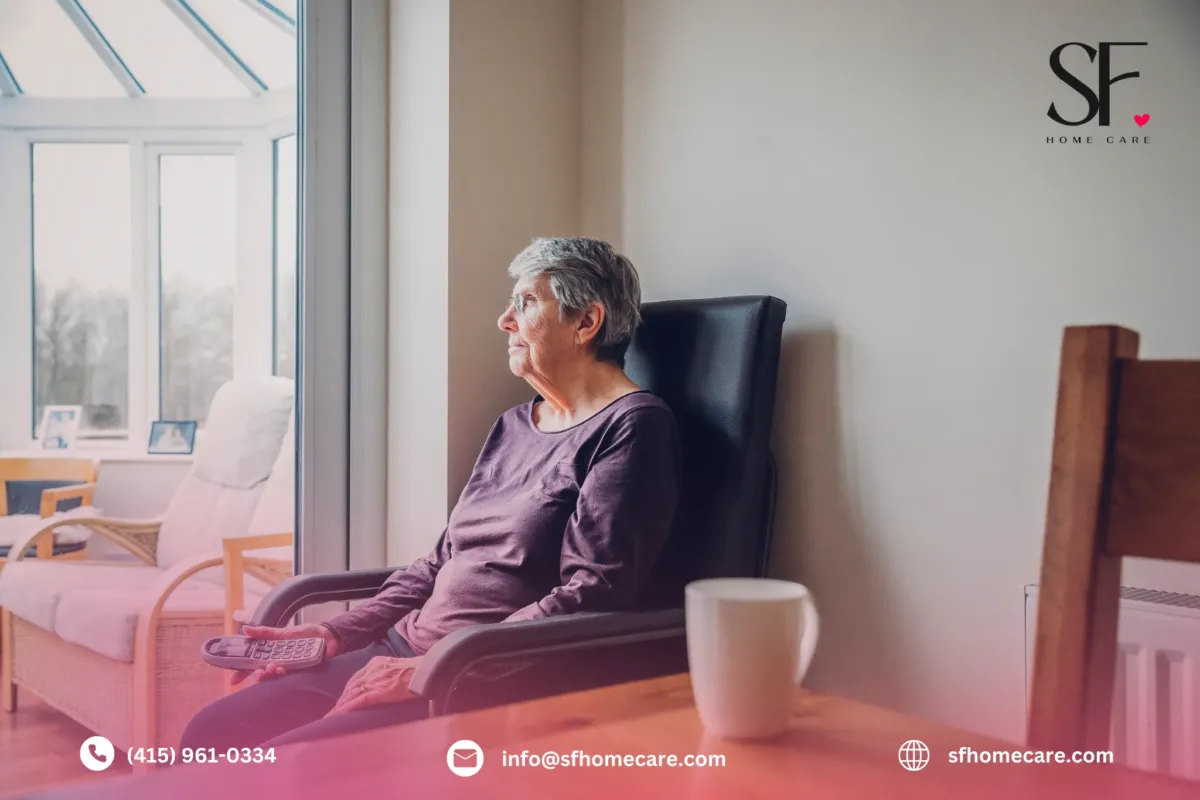
When caring for an aging parent, one phrase families often hear is: “I’m fine.”
It may be said when a parent is clearly struggling with daily tasks, experiencing pain, or becoming more forgetful. While it can sound reassuring, this phrase often means something much deeper.
For many older adults, saying “I’m fine” is not always a reflection of how they truly feel. Instead, it can be a protective response shaped by pride, independence, fear, and emotional adjustment to aging.
Understanding why seniors downplay their needs can help families respond with more empathy, patience, and effective support.
Why Seniors Say “I’m Fine” Even When They’re Not
There are many emotional and psychological reasons why older adults may avoid expressing their struggles.
Some of the most common include:
Desire to maintain independence
Many seniors have spent decades being self-reliant. Accepting help may feel like losing control over their lives.
Fear of becoming a burden
Older adults may avoid sharing their difficulties because they do not want to worry or inconvenience their family.
Pride and identity
For some, independence is closely tied to their identity. Admitting they need help can feel uncomfortable or even embarrassing.
Denial of changing abilities
It can be difficult to accept gradual changes in physical strength, memory, or mobility.
Habit of resilience
Many seniors grew up in generations where “pushing through” problems was the norm, not discussing them.
Because of these factors, “I’m fine” can sometimes mean “I don’t want to worry you” or “I’m not ready to accept help yet.”
The Hidden Risks of Ignoring Small Signs
When seniors consistently downplay their needs, families may miss early warning signs that support is becoming necessary.
Some subtle changes may include:
- difficulty managing household tasks
- missed medications or appointments
- decreased mobility or balance issues
- changes in appetite or energy levels
- increased forgetfulness
- withdrawal from social activities
These signs may develop gradually, making them easy to overlook at first.
Over time, ignoring these changes can lead to safety risks, health complications, or increased stress for both seniors and their families.
Why “I’m Fine” Can Be a Form of Emotional Protection
It’s important to understand that this phrase is not always meant to hide problems.
In many cases, it serves as emotional protection.
For some seniors, acknowledging difficulty may bring feelings of vulnerability or fear about the future. Saying “I’m fine” allows them to maintain a sense of normalcy and control, even when things are changing.
This is why direct confrontation often does not work. Instead, understanding the emotion behind the words is key.
How Families Can Respond With Understanding
When a loved one insists they are fine, the goal is not to challenge them, but to create a safe space for honesty.
Helpful approaches include:
Observe gently, not critically
Instead of pointing out problems, share what you’ve noticed with care and concern.
Use supportive language
Try phrases like:
- “I just want to make sure you’re comfortable.”
- “I’ve noticed a few things and want to help if you need it.”
Ask open-ended questions
This allows seniors to express themselves at their own pace.
Avoid arguments about independence
Focusing on control or capability can make seniors more defensive.
Reassure, don’t pressure
Let them know that accepting help is about support, not loss of independence.
The Importance of Small Steps
Introducing help does not need to happen all at once.
In many cases, seniors are more open to support when it is gradual.
Starting with small forms of assistance such as:
- help with errands
- light housekeeping
- meal preparation
- transportation
- companionship visits
can help build trust and comfort over time.
As familiarity grows, seniors may become more open to additional care.
When Professional Home Care Can Help
Sometimes, family members may struggle to recognize when “I’m fine” is masking deeper needs.
This is where professional caregivers can provide valuable support.
Caregivers can assist with daily tasks while also offering companionship, emotional support, and safety monitoring—all while helping seniors maintain independence in their own home.
Having a neutral third party involved can also make it easier for seniors to accept help without feeling pressured by family members.
Supporting Seniors With Compassion and Respect
When a parent says “I’m fine,” it is often less about truth and more about emotion.
Behind those words may be fear, pride, or uncertainty about aging. By responding with empathy instead of frustration, families can open the door to more honest conversations and better care.
At SF Home Care, we understand how delicate these moments can be. Our caregivers are trained to support seniors with dignity, patience, and respect, helping them feel safe and independent in the comfort of home.