
Understanding the Hidden Grief of Aging at Home
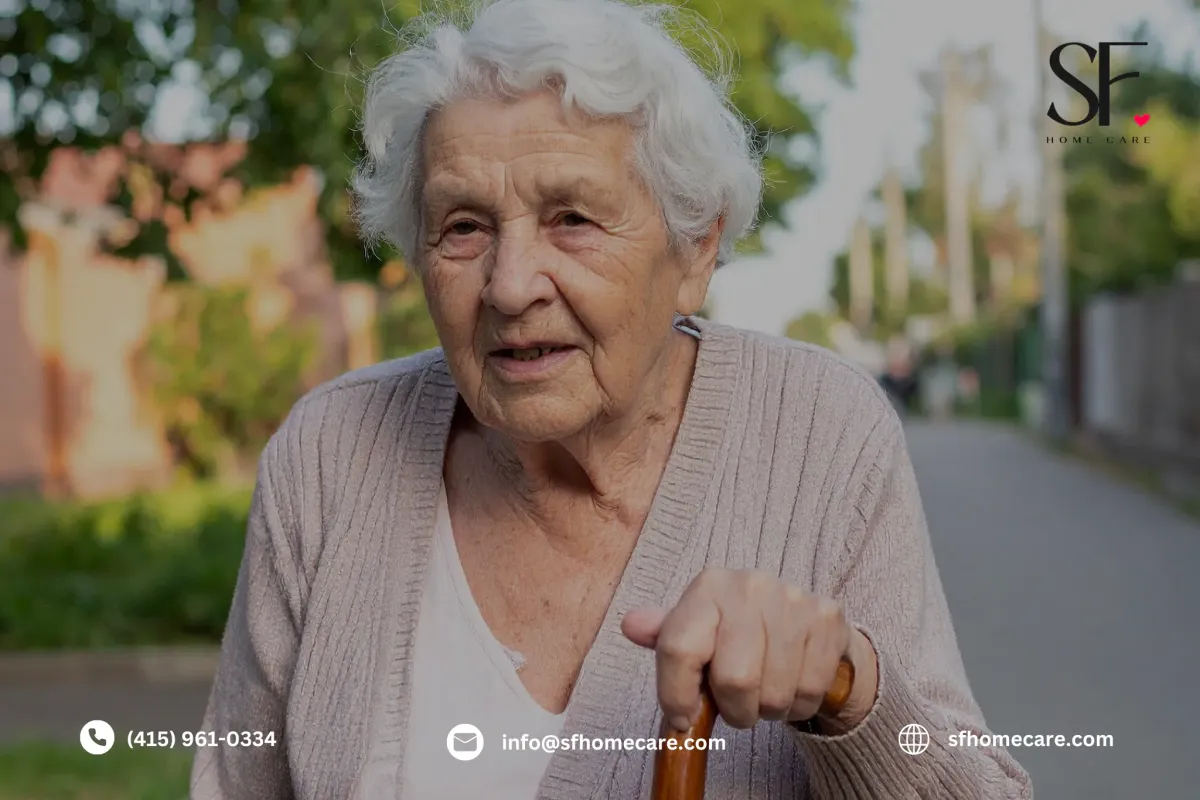
When people think about aging at home, they often focus on physical changes such as mobility, health concerns, or daily assistance needs. But one challenge that is often overlooked is the emotional side of aging—specifically, the hidden grief that many older adults quietly experience. Grief does not only come from the loss of a loved one. For many seniors, grief can also come from the gradual loss of independence, routines, abilities, and even parts of their identity. This emotional experience is common, yet it often goes unspoken. The good news is that with understanding, compassion, and support, families and caregivers can help older adults navigate these feelings while maintaining comfort and dignity at home.
What Is Hidden Grief in Older Adults?
Hidden grief refers to the emotional pain that comes from life changes that may not always be obvious to others. As seniors age, they may begin to grieve changes such as:
- no longer being able to drive
- difficulty doing household tasks independently
- changes in physical strength and energy
- loss of long-time routines
- fewer social interactions
- changes in roles within the family
For many older adults, these losses can feel deeply personal. A parent who once cared for everyone else may now need help themselves. A senior who once enjoyed daily walks, cooking, or community activities may no longer be able to do them in the same way. These changes can create feelings of sadness, frustration, and loneliness.
Why Aging at Home Can Bring Emotional Challenges
Home is often filled with memories, comfort, and familiarity. But as needs change, even the home environment can become a reminder of what has changed. A staircase may remind someone of limited mobility. An empty chair may remind them of a spouse who has passed. A quiet home may highlight feelings of isolation. Even when aging at home is the preferred choice, it can still come with emotional adjustment. This is why the grief of aging is often called “hidden.” It may not always be visible, but it can deeply affect mental and emotional well-being.
Common Signs of Emotional Grief in Seniors
Grief related to aging may appear in subtle ways. Some common signs include:
- withdrawal from social activities
- mood changes or irritability
- loss of motivation
- sadness or frequent tearfulness
- changes in sleep patterns
- lack of interest in hobbies
- increased anxiety about the future
Recognizing these signs early can help families offer support before feelings become overwhelming.
How Families Can Offer Support
Supporting an aging loved one emotionally is just as important as supporting physical needs.
Helpful ways to offer support include:
Encourage open conversations
Create space for your loved one to talk about how they are feeling without judgment.
Acknowledge their losses
Sometimes simply recognizing that certain changes are difficult can be deeply validating.
Help preserve routines
Maintaining familiar daily habits can provide comfort and a sense of control.
Encourage connection
Visits from family, friends, or caregivers can help reduce feelings of isolation.
Focus on what they can still do
Helping seniors stay engaged in meaningful activities supports confidence and emotional well-being.
The Role of Compassionate Home Care
Caregiving is not only about physical assistance. Emotional support plays a vital role in helping seniors age with dignity. Companion care, daily check-ins, and meaningful conversation can make a significant difference in reducing loneliness and supporting mental wellness. A compassionate caregiver can help older adults feel seen, heard, and valued during a period of life that may bring many emotional transitions.
Supporting Seniors Through Life’s Changes
The hidden grief of aging at home is real, and many families experience it without always having the words to describe it. By recognizing the emotional side of aging, families can better support their loved ones with empathy, patience, and understanding. At SF Home Care, we believe that quality care includes both physical and emotional support, helping seniors feel safe, respected, and comforted in the place they call home.